October 1, 2026
Deciding when and where to send your young child for early childhood education is one of the first major decisions you will face as a parent. The choices can feel overwhelming, ranging from staying at home with a family member or nanny to opting for dedicated daycare preschools. While the transition away from home can bring a touch of anxiety for both parents and little ones, early childhood development research consistently shows that high-quality daycare preschool environments provide unique, irreplaceable benefits during a child's foundational years. A quality daycare preschool does far more than provide safe supervision while parents are at work. It serves as a dynamic, structured ecosystem designed specifically to foster social, emotional, cognitive, and physical growth. Between the ages of one and five, a child’s brain develops faster than at any other point in life, forming millions of neural connections every second. Capitalizing on this critical developmental window lays the groundwork for future academic success and emotional resilience.
1. Accelerated Socialization and Peer Interaction
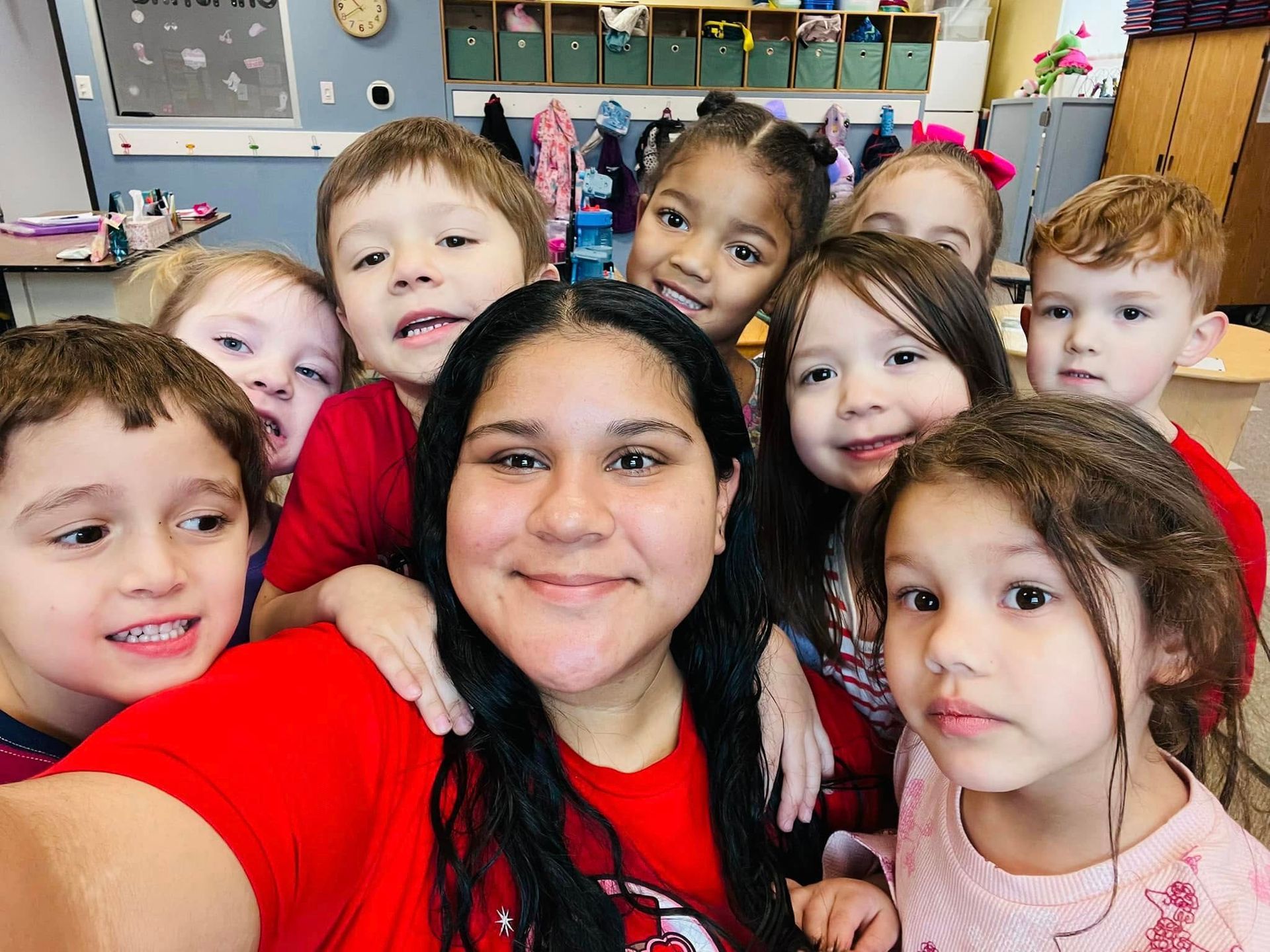
The first major benefit is accelerated socialization and peer interaction. At home, a child is often the center of attention, surrounded by adults or siblings who naturally adapt to their needs. While loving, this environment does not fully simulate the social dynamics of the broader world. High-quality daycare preschools introduce children to a diverse group of peers, offering daily, practical lessons in human interaction. Through structured group play and unstructured recess, children learn essential social mechanics like sharing, turn-taking, and navigating minor disagreements with words rather than actions. Observing peers who are sad, hurt, or excited helps children develop empathy and a theory of mind—the realization that other people have feelings, thoughts, and perspectives different from their own. These early peer interactions help children build cooperative skills that make future transitions into kindergarten and primary school seamless and low-stress.
2. Seamless Structure, Routine, and Predictability
Another significant advantage is the seamless structure, routine, and predictability that preschool provides. Young children thrive on predictability, and while a flexible day at home has its perks, modern daycare preschools establish consistent schedules that provide a deep feeling of safety and emotional security.
Preschool schedules are intentionally crafted to balance different types of energy and focus throughout the day, alternating between greeting times, circle time, outdoor play, family-style meals, and guided sensory arts. When children know what to expect next, anxiety drops significantly. Learning to transition smoothly from one activity to another within structured daycare preschools builds cognitive flexibility and executive functioning skills that will serve them for the rest of their lives.
3. Foundation for Academic Readiness
The top daycare preschools also establish a solid foundation for academic readiness. A common misconception is that these programs are simply centers for supervised play, but in reality, early learning frameworks are designed to embed core academic concepts into age-appropriate, play-based experiences. Storytime, rhyming games, and sing-alongs expand a child’s vocabulary rapidly, helping them associate sounds with symbols and understand that print carries meaning. Early math and problem-solving skills are cultivated through visual and tactile activities like sorting blocks by color, recognizing patterns, and comparing sizes during sensory play. Public policy and educational experts widely recognize this value; according to NIEER's 2025 State of Preschool report, states invested nearly $14.4 billion in preschool education during the 2024–2025 school year. This significant investment highlights the nationwide consensus that quality early education directly impacts long-term academic success.
4. Enhanced Emotional Regulation and Independence
In addition to academic skills, attending daycare preschools fosters enhanced emotional regulation and independence. Independence is a skill practiced in small, daily increments rather than something that appears overnight. A daycare preschool offers children a safe, supportive space to practice autonomy away from their primary caregivers by taking responsibility for age-appropriate tasks like washing their hands, putting on their coats, and choosing their own activity centers. Accomplishing these tasks builds genuine self-esteem and confidence. Furthermore, being away from parents for set periods teaches children self-soothing techniques, helping them learn that feelings of separation anxiety are temporary and manageable when supported by warm, trained educators.
5. Development of Fine and Gross Motor Skills
Physical development is another area where early enrollment plays a vital role, as reputable daycare preschools actively target both fine and gross motor skills. Playgrounds, indoor obstacle courses, and movement games allow children to test their physical boundaries by climbing, jumping, running, and balancing, which strengthens core muscles and improves spatial awareness. Simultaneously, activities like manipulating playdough, threading beads, using safety scissors, and pinching items with tweezers build the finger dexterity and hand strength required for writing and drawing long before a child is asked to hold a pencil correctly.
6. Learning About Other People
Inclusive daycare preschools also offer invaluable exposure to diversity and inclusion. In an increasingly interconnected world, experiencing diversity early in life helps children develop open-mindedness, adaptability, and cultural awareness. Community daycare preschools bring together children and staff from various cultural, socio-economic, linguistic, and neurodiverse backgrounds. Through daily interaction, shared celebrations, books, and multi-cultural materials, children learn to view differences as normal and interesting rather than intimidating, helping eliminate stereotypes before they take root. Additionally, for children whose families speak a secondary language at home, enrolling in daycare preschools provides a rich immersive environment for second-language acquisition.
7. Immunity Building and Healthy Habits
Health benefits and immunity building represent another surprising advantage of early enrollment. While enrolling a child in daycare or preschool often leads to an initial surge in common colds, pediatricians note that exposure to common viruses in a supervised setting helps a young child’s immune system build valuable antibodies. Studies suggest that children who attend daycare preschools tend to miss fewer days of primary school due to illness compared to children who stayed home until age five. Moreover, educators enforce strict health and hygiene habits, teaching children proper handwashing techniques and personal hygiene in a clear, consistent manner that reinforces healthy behaviors for life.
8. Essential Support and Peace of Mind for Parents
Finally, licensed daycare preschools provide essential support and peace of mind for parents. Balancing professional responsibilities, household management, and personal well-being can be overwhelming without a dependable support system. A reliable, professional program offers parents access to experienced early childhood educators who can provide guidance on developmental milestones and behavioral challenges. It also delivers consistent childcare that allows parents to focus on their careers without guilt, while connecting them with other local families going through the exact same developmental stages. When parents know their child is in a safe, enriching environment, their stress levels decrease, allowing them to be more present and engaged during family time at home.
Enrolling your child in accredited daycare preschools is far more than a practical solution for childcare—it is a proactive investment in their social, emotional, physical, and cognitive development. By combining structured routines, rich peer interactions, play-based learning, and professional emotional support, daycare preschools equip young children with the foundational confidence and skills they need to step smoothly into kindergarten and thrive for years to come.
The early experiences gained in daycare preschools shape a child's lifelong relationship with learning and curiosity. By establishing a safe environment where children can explore, collaborate, and overcome daily challenges independently, parents give their little ones a critical head start that yields meaningful academic and personal dividends well into their future. Reach out to Mimi's Learning Center today to learn more.